Less Stress. More Success. Wie gestresst sind Sie?
70 Prozent aller Berufstätigen stehen unter stressbedingtem Druck und dieser Stressfaktor nimmt weiter zu! Zwei Drittel aller Manager in Deutschland geben an, ausgebrannt zu sein. Je mehr Stress Menschen haben, umso kränker sind sie. Dabei nehmen besonders Stress Symptome wie Rücken- oder Magenbeschwerden und letztendlich Burn out zu! Oftmals fehlt es den Betroffenen dabei an Methoden der Stressbewältigung. Mittels on- und offline Seminaren blended learning), Workshops und Einzelcoachings lernen Fach- und Führungskräfte bei Anti Stress den professionellen Umgang mit Stress und Ihrer Gesundheit. Nehmen Sie noch heute Kontakt zu uns auf, damit Sie den Stress im Griff haben, Ihre Balance finden und gesund bleiben!

Deine Anti Stress Journey – für mehr Gelassenheit und Energie
Wünschst du dir wieder mehr Gelassenheit und Energie? Dann lerne die Anti Stress Journey kennen!
Seminare, Vorträge, Workshops, Online Trainings und vieles mehr
Gesunde Führung, Stressbewältigung, Positive Mindset, Konfliktmanagement u.v.m.
Anti Stress auf Youtube
Aktuelle Workshops
WEBINAR: „BE MINDFUL NOT MIND FULL“
Achtsam zu sein bedeutet, dass wir uns mit dem „Hier und Jetzt“ also mit unserer Gegenwart beschäftigen, um Stress zu reduzieren, innere Stärke zu fördern und mehr Empathie mit sich und anderen zu entwickeln. Nutze jetzt die Möglichkeit und nimm an diesem 6 Wochen Online Achtsamkeitstraining teil! Neben theoretischen Hintergründen gibt es angeleitete Übungen, Tipps für den Transfer in den Alltag und jede Menge Platz für Fragen, um gelassener und positiver durch das Leben zu gehen. Wir freuen uns auf Dich!
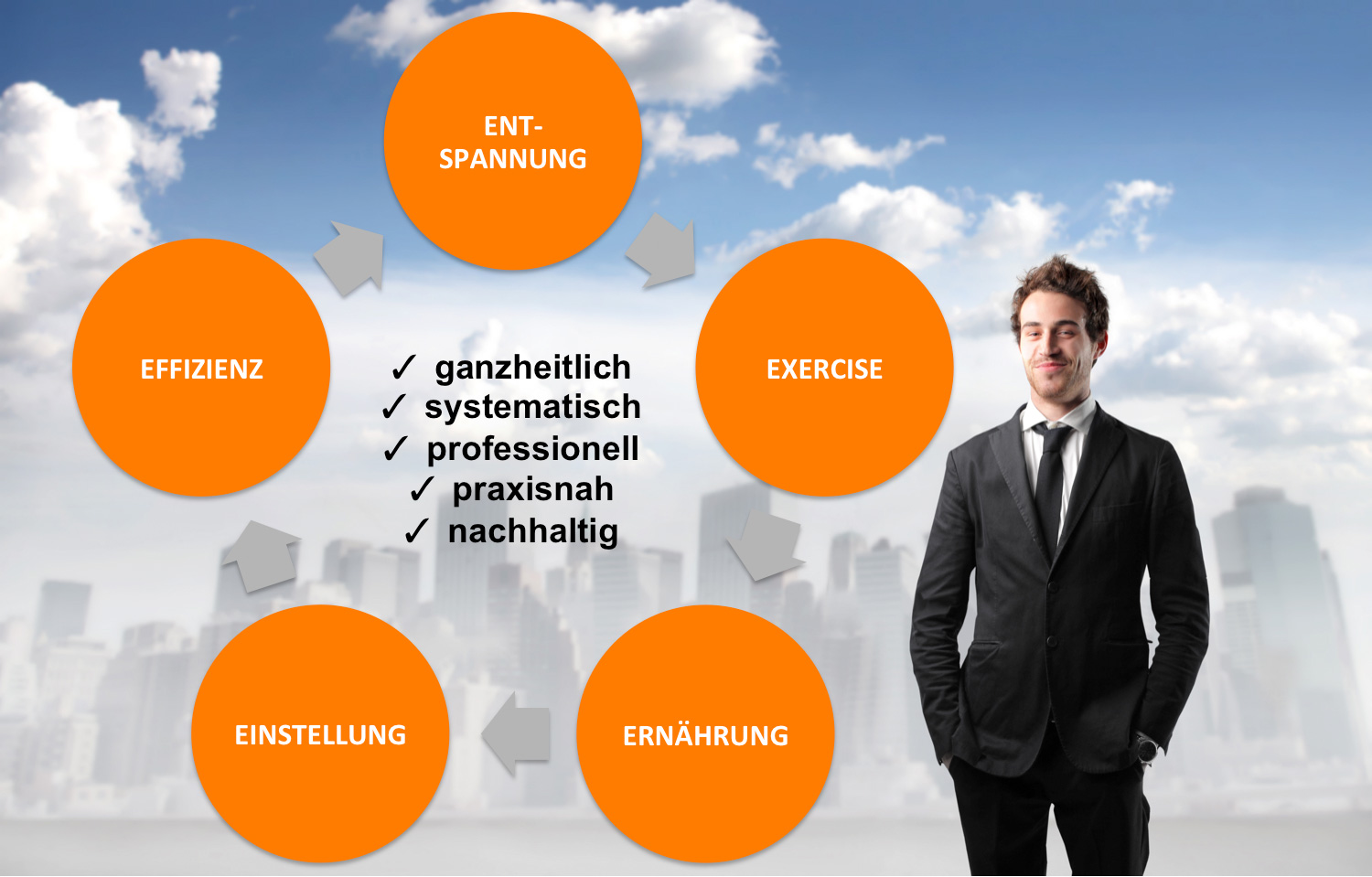
Das 360° Anti Stress Programm
Interessante Neuigkeiten
Der kohärente Herzschlag.

Bitte recht freundlich.

Das Online Anti Stress Programm

Wenn unser Herzschlag gleichmäßig und wellenförmig verläuft, dann spricht man in der Wissenschaft von Kohärenz. Dieser Zustand hat positiven Einfluss auf Stress, Ängste und Niedergeschlagenheit….
Schlechte Laune haben wir alle mal. Doch wenn dies zur Gewohnheit wird, kann es für sich selber als auch für sein Umfeld negative Folgen haben. NLP Powerfragen können uns dabei helfen, wieder in einen besseren Zustand zu kommen.
3 Gründe, warum ihre Mitarbeiter von unserem Online Anti Stress Programm profitieren werden! Erfahren Sie hier mehr über unsere Online Bildungshappen (Learning Nuggets).
Jetzt Anti Stress folgen und keine Tipps oder Workshops mehr verpassen!
Abonnieren Sie unsere hilfreichen Anti Stress Tipps auf Facebook:
Erhalten Sie regelmässig unseren Anti Stress Newsletter per E-Mail:
Sie möchten eine persönliche Kontaktaufnahme? Schreiben Sie uns:
Oder folgen Sie uns auf einem unserer anderen Kanäle:


Kundenmeinungen
Sehr professionell und praxisorientiert. Sehr positive Resonanz seitens meiner Mitarbeiter.Sascha M.,
Good mixture of theory / exercises. Time flew by – simple and effective!Julia Z.,












„Das Gras wächst nicht schneller, wenn man daran zieht.“
Afrikanisches Sprichwort
Yoga Stundenplan Düsseldorf
| Montag | Dienstag | Mittwoch | Donnerstag | Freitag - Sonntag | |
|---|---|---|---|---|---|
| Uhrzeit | 20.00 - 21.00 Uhr | 18.00 – 19.30 Uhr | auf Anfrage | 19.30 – 21.00 Uhr | auf Anfrage |
| Level | Level 1 | Level 1-2 | - | Level 1-2 | - |
| Ort | kingsgym | rundumyoga | - | shivasloft | - |
Klingt interessant? Dann empfehlen Sie uns weiter!


Bleiben Sie auf dem Laufenden!